
After-Hours Office Cleaning vs Daytime Cleaning: Which Schedule Fits Your Workplace?
Choosing the right cleaning schedule for your office can have a significant impact on productivity, cleanliness, and employee satisfaction. For organizations in busy urban centers like Chicago, the decision between after-hours office cleaning and daytime cleaning isn’t just about preference—it’s about operational fit, hygiene outcomes, and workplace wellbeing. In this guide, you’ll discover the core differences between these two cleaning models, how each affects your workspace, and a step-by-step framework to help you select the option best aligned with your goals. You’ll also see practical checklists, real-world scenarios, and best practices drawn from industry standards and the expertise of Express Clean. Whether you manage a small startup or a multi-floor commercial office, this guide gives you decision-making clarity around after-hours office cleaning vs daytime cleaning: which schedule fits your workplace?
Defining After-Hours and Daytime Office Cleaning: What Sets Them Apart?
Understanding exactly what is meant by after-hours and daytime office cleaning is critical before evaluating your options.
- After-hours cleaning takes place outside normal business hours, usually in the evening or overnight after most employees have left the premises.
- Daytime cleaning is performed during the regular workday, with cleaners working alongside or around staff and visitors.
Each approach requires unique planning, operational procedures, and staff communications.
The Impact on Workplace Productivity and Experience
Which cleaning schedule is best depends greatly on how it affects your employees, your clients, and your workflow. Here’s how these cleaning models interact with daily operations:
- After-hours cleaning minimizes interruptions, noise, and distractions, making it popular for high-focus environments but requiring security access solutions.
- Daytime cleaning facilitates immediate response to spillages and hazards, but may lead to minor workflow disturbances or privacy concerns during meetings.
Managers should assess their culture and space usage patterns to predict the experience under each model.
Advantages of After-Hours Office Cleaning for Chicago Businesses
- Uninterrupted work hours: Cleaners work after staff have departed, so meetings and focus time aren’t disturbed.
- Deep cleaning potential: Empty facilities allow for more thorough cleaning, including high-touch areas and equipment.
- Reduced liability: Fewer people present reduces the risk of accidental slips or exposure to cleaning agents.
- Easier disinfection: Disinfectants can dwell for recommended times without immediate space reentry.
For detailed best practices in office hygiene, see our Essential Office Cleaning Supplies resource.
Benefits of Daytime Cleaning: Visibility, Flexibility, and Wellbeing
- Prompt cleaning response: Day cleaners handle spills, trash, and restrooms before they become issues.
- Visible attention to detail: Employees see firsthand that cleanliness is prioritized, boosting reassurance and morale.
- Immediate feedback loop: Any dissatisfaction with cleaning can be reported and addressed on the spot.
- Lower security costs: There’s no need for after-hours building access or extra security staff.
Visible cleaning practices can also support workplace wellness. Learn about how cleanliness influences mental health at the office in our dedicated guide.
Limitations and Risk Considerations With Each Schedule
- After-hours schedules risk missed issues that arise during the day (e.g., unexpected spills).
- Day cleaning can introduce privacy challenges during confidential meetings or disrupt focused work time.
- Security and access management differ: after-hours crews need keys or codes, while daytime cleaners must be trained for discretion.
- Staff interactions: Day cleaners can build rapport with your team, which may be valued in some organizations.
Checklist: Evaluating Your Current Office Needs
- Record daily office hours and peak activity times.
- List confidential or high-security areas and when they’re in use.
- Assess frequency and type of cleaning incidents (spillages, restocking, restroom usage).
- Check building security or access policies for vendors after hours.
- Survey employee preferences about visible cleaning vs. behind-the-scenes services.
- Review any cycles of increased allergen or illness risk (see our flu season cleaning guide).
Comparison Table: After-Hours vs Daytime Cleaning Factors
| Factor | After-Hours Cleaning | Daytime Cleaning |
|---|---|---|
| Disruption to staff | Minimal | Possible (noise, movement) |
| Issue response speed | Delayed until next cleaning | Immediate |
| Building access | Requires security clearance | No extra access needed |
| Employee interaction | Almost none | Frequent |
| Cleaning thoroughness | Typically deeper | Surface/frequent touch-ups |
| Visibility of cleaning | Low | High |
| Cost impacts | May cost more (premium hours/security) | Standard rates possible |
How Cleaning Schedules Influence Office Health and Safety
Effective cleaning removes allergens, dust, and pathogens—key factors for a healthy, productive workspace. Both schedules can support high standards if implemented well. However, certain office environments (such as medical, food service, or high foot-traffic workplaces) may benefit from hybrid schedules.
- For insights on allergen and dust control under either schedule, consult our office allergen guide and dust mite prevention resource.
For industry standards on cleaning for health, refer to the IICRC S100 Standard for professional cleaning methodology.
Industry Standards and Compliance: What Should Guide Your Decision?
Regardless of when cleaning occurs, adherence to health and safety protocols is essential. After-hours cleaning often enables deeper compliance—think restroom sanitization or floor machinery—but daytime operations must maintain full safety for all occupants.
Cleaning companies should reference evidence-based protocols. The Diversey Healthcare Cleaning Resource details infection control and disinfection practices relevant for a variety of workspaces, not just medical offices.
Decision Framework: How to Choose the Right Cleaning Schedule for Your Workplace
This step-by-step approach helps narrow your options based on operational needs, culture, and compliance:
- Map the Flow: Document team occupancy, foot traffic, and sensitive spaces.
- Interview Key Users: Include IT, HR, tenant reps, and facilities teams in input sessions.
- Weigh Business Priorities: Privacy, scheduling, impression on guests/clients, or cost efficiency.
- Evaluate Security Impacts: After-hours may need new protocols for access control and monitoring.
- Trial and Survey: Pilot one schedule for 90 days, survey for satisfaction, reevaluate, and adjust.
Hybrid Cleaning Schedules: Mixing After-Hours and Daytime Cleaning
Some businesses find a blended approach meets their unique needs:
- After-hours teams tackle deep cleaning, disinfection, and heavy-duty work weekly.
- Daytime staff focus on restocking, spot-cleaning high-touch areas, and restroom upkeep.
This combination provides the thoroughness of after-hours with the responsiveness of daytime cleaning—the best of both worlds for larger or multi-use buildings.
Real-World Scenarios: When Each Cleaning Schedule Shines
- Private offices and law firms: After-hours cleaning keeps sensitive data secure without day disruptions.
- Tech startups or creative agencies: Daytime cleaning fits casual, collaborative atmospheres.
- Shared workspaces or coworking hubs: Hybrid schedules provide flexibility for variable occupancy.
- Healthcare, retail, or public service buildings: Often require both models to meet sanitation standards and ongoing cleaning incidents.
Key Considerations for Cleaning Companies in Chicago, Illinois
Urban hubs like Chicago bring increased turnover, seasonal allergens, and unique compliance needs. Look for:
- Trained cleaning staff who understand surface, material, and occupancy protocols.
- Equipment for both quick daytime touch-ups and deep after-hours cleaning.
- Clear communication processes with property management teams.
- Ability to customize checklists and adapt schedules as your workplace evolves.
Best Practices for Transitioning Between Schedules
- Notify staff prior to schedule changes and explain the improvements expected.
- Test access procedures for after-hours cleaning before full implementation.
- Provide feedback mechanisms for employees to share any concerns or disruptions.
- Document cleaning outcomes and review with your facilities team for compliance and satisfaction.
For maintaining peak hygiene during periods like flu season, reference our targeted cleaning guide.
Selecting a Professional Cleaning Partner for Your Office
When considering after-hours or daytime cleaning, evaluate vendors on:
- Staff training and background checks
- Protocol transparency and checklist use
- Equipment and product appropriateness for your specific facilities
- Flexibility to respond to special events, tenant turnover, or emergencies
If you’re looking to implement a scheduled office cleaning plan, consider the professional office cleaning service offered by Express Clean. Our team delivers flexible scheduling, expert staff, and solutions tailored to your workplace needs.
FAQ: Office Cleaning Schedule Selection
- Is after-hours office cleaning more expensive than daytime?
- It can be, due to premium staffing rates, security needs, or overtime policies. However, deeper cleaning and reduced disruption may justify the cost for certain environments.
- Is daytime cleaning less effective than after-hours cleaning?
- Not necessarily—daytime cleaning addresses ongoing issues but may not allow for deep cleaning unless mixed with periodic after-hours sessions.
- How do I handle privacy concerns during daytime cleaning?
- Work with your cleaning partner to establish protocols around sensitive areas, and notify employees when cleaners will be present in those spaces.
- Can I change my cleaning schedule later if it doesn’t work out?
- Absolutely. Many companies pilot one schedule or shift to a hybrid approach based on staff feedback and operational needs.
- Does one schedule encourage better hygiene than the other?
- Both can maintain high hygiene if professionally managed. The right schedule is about balancing health outcomes with workflow needs.
- Are there compliance differences between after-hours and daytime cleaning?
- Regulatory standards apply to both. After-hours sessions may allow more thorough compliance; daytime cleaning requires attention to occupant safety.
- How do hybrid cleaning schedules work?
- Most involve nightly deep cleaning with key daytime maintenance tasks—best for larger or 24/7 facilities.
- Should we survey staff before making a change?
- Yes. Employee buy-in increases satisfaction and can reveal operational pain points you may miss.
- What if there’s an emergency cleaning need during off-hours?
- Partner with a responsive cleaning service like Express Clean who can provide on-call support for urgent situations.
- Will cleaning products or equipment differ by schedule?
- Some products that require longer dwell times or emit strong odors are best for after-hours use. Quick-dry, low-odor products suit daytime applications.
Final Thoughts: Your Next Steps
Choosing between after-hours office cleaning and daytime cleaning is a strategic decision with lasting impacts on productivity, wellness, and cost. Assess your unique workflow, survey your staff, consult with professional partners, and try hybrid models if needed. Express Clean can help you implement a cleaning schedule tailored to your Chicago workplace—prioritizing health, consistency, and flexibility.
About Express Clean
Express Clean is a professional cleaning company dedicated to helping households and businesses in Chicago, Illinois and nearby areas keep their spaces clean and healthy. Our team specializes in recurring house cleaning, deep cleaning, move out cleaning, office cleaning, and special facility cleaning, all performed by trained staff using professional-grade products and equipment. With a commitment to attention to detail, flexible scheduling, transparent communication, and a focus on long-term client relationships, Express Clean delivers cleaning excellence you can trust. Visit Express Clean to learn more.
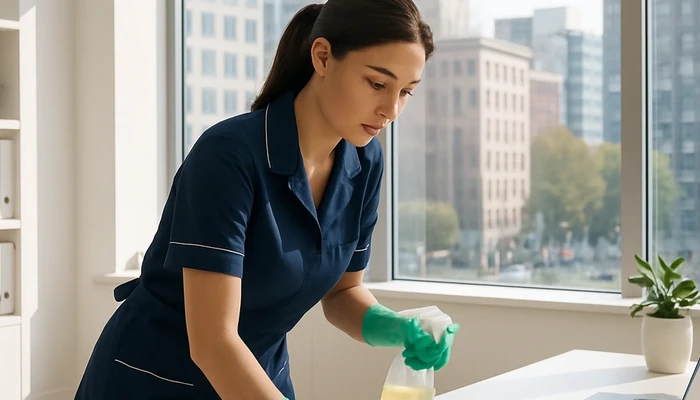
cleaning companies chicago, office cleaning in Cleaning Chicago, office cleaning company in Cleaning Chicago, office cleaning Skokie, office Cleaning North Riverside IL, Morris office cleaning services, office cleaning company in Hickory Hills IL, office cleaning services Melrose Park IL, office cleaning in Wilmette, Norridge office cleaning service