ATP Testing and Cleaning Audits: What Those Numbers Actually Mean
When you hire a cleaning company or conduct your own checks, you want assurance that your space is truly clean—not just tidy on the surface. But how do you objectively measure cleanliness? That’s where ATP testing and detailed cleaning audits come in. In this guide from Express Clean, you’ll learn exactly what ATP readings and audit scores signify, how they’re used in professional cleaning, where their limits lie, and what you should look for when evaluating cleaning services in homes, offices, Airbnbs, or specialized facilities. Whether you’re a homeowner, landlord, or property manager in Chicago, knowing what those numbers actually mean empowers safer, healthier environments and more informed cleaning choices.
ATP Testing in Cleaning: What It Is and Why It’s Used
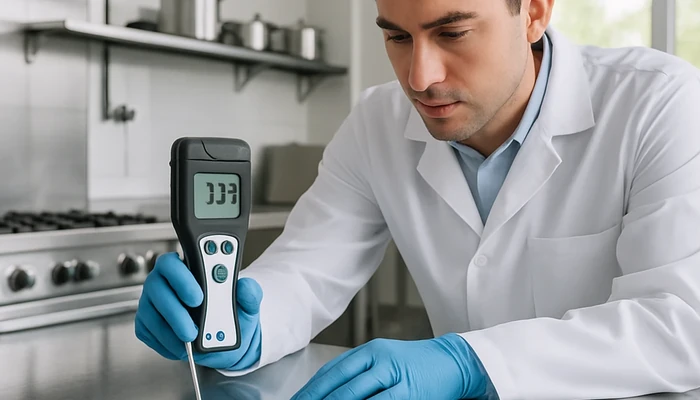
ATP (adenosine triphosphate) testing allows cleaning professionals to measure contamination at the microbial level by detecting ATP, an energy molecule found in all living cells—including bacteria, mold, and food residue. After cleaning, a swab of a surface is tested with a luminometer: a device that gives a numerical reading (RLU: Relative Light Units) indicating potential contamination.
- Key Purpose: ATP testing verifies cleaning effectiveness beyond visual inspection.
- Where It’s Used: Commercial kitchens, medical facilities, restrooms, desks or high-touch areas in homes and offices.
While it doesn’t identify specific microbes, ATP testing shows if organic residue (and thus potential pathogens) remain, making it a valuable tool for maintaining hygiene standards.
How ATP Testing Works: A Step-by-Step Framework
- Swab Collection: The technician selects a target surface (e.g., door handle, desk, kitchen counter).
- Luminometer Reading: The swab is inserted into the device, which reacts with a special reagent, producing light measured in RLUs.
- Interpretation: The resulting number is compared against accepted cleanliness thresholds (which vary by industry and surface type).
- Documentation: Results are logged for auditing, quality control, and client transparency.
For example, an RLU threshold for food preparation surfaces might be 30–50, while bathrooms or office desks could be higher or lower based on risk.
What Do ATP Numbers Actually Mean?
ATP readings—by themselves—don’t guarantee a pathogen-free surface. Instead, the numbers reflect the general level of organic contamination left after cleaning. Here’s how to interpret typical results:
| ATP Value (RLUs) | Interpretation | Practical Action |
|---|---|---|
| 0–10 | Very clean; minimal organic material detected | Pass—meets or exceeds most audit standards |
| 11–30 | Generally clean for low/med-risk areas | Monitor; possibly reclean if critical surface |
| 31–100 | Marginal; re-cleaning recommended for high-risk areas | Re-clean and retest if possible |
| 100+ | Dirty; significant organic residue detected | Immediate re-clean needed; investigate cleaning method |
Note: These ranges can differ by facility type. Always reference industry guidelines or management protocols for your space—especially in medical, hospitality, or food service settings.
Cleaning Audits: Beyond ATP—Holistic Evaluation of Hygiene
While ATP testing gives a quick, data-driven snapshot, complete cleaning audits go further. Audits may combine:
- ATP Readings: Spot-checking for immediate cleanliness indicators.
- Visual Inspection: Checking for obvious debris, stains, and cleaning inconsistencies.
- Checklist Review: Confirming all agreed-upon cleaning steps were performed (e.g., disinfection of high-touch points, trash disposal, replenishing consumables).
- Documentation: Notes, before/after photos, and corrective actions.
This holistic approach ensures quality and supports safer environments—especially crucial in Chicago’s busy commercial and residential settings.
Comparing ATP Testing to Visual and Manual Audit Methods
Does ATP testing replace traditional cleaning audits? Not quite. Think of ATP as an objective checkpoint within a broader quality program. Here’s how the methods compare:
- Visual Audit: Quick, inexpensive, but can miss invisible contaminants.
- ATP Testing: Offers measurable results, but not pathogen-specific; adds cost and may be targeted to high-risk zones.
- Comprehensive Audit: Combines both approaches with documentation, improving accountability and transparency.
Professional cleaning companies like Express Clean often use all three to ensure reliable, reproducible outcomes.
Industry Standards and Guidelines for ATP Testing
The acceptable RLU level depends on the facility and surface. Compliance with standards from agencies like the Occupational Safety and Health Administration (OSHA) and alignment with EPA-recommended products (EPA Safer Choice list) helps ensure proper sanitation and occupant safety.
- Healthcare: Lower threshold RLUs, especially for touchpoints and equipment.
- Hospitality/Airbnb: Stringent cleaning with periodic ATP validation.
- Food Service: Strict surface targets (often ≤ 30–50 RLUs after cleaning).
- Offices/Schools: Variable, focus on high-touch points; refer to internal SOPs.
For in-depth standards, Express Clean recommends referencing recognized protocols and adapting to specific risks and occupancy patterns.
High-Touch Area Selection for ATP Testing and Auditing
To maximize ATP test usefulness, professionals focus on high-risk, high-contact surfaces where contamination is most likely to spread. Common audit targets include:
- Restroom faucets, flush handles, door pulls
- Break room counters, refrigerator handles, microwaves
- Workstation desktops, keyboards, shared phones
- Light switches, elevator buttons
- Hospital patient room rails, exam tables
- Airbnb kitchen and bathroom surfaces
Rotating test locations keeps teams vigilant and deters complacency.
The Role of ATP Testing in Commercial vs. Residential Cleaning
Commercial spaces (like offices or restaurants) benefit from routine ATP auditing because of high foot traffic, regulatory oversight, and infection risk. In residential settings—especially with sensitive occupants (children, elderly, immunocompromised)—ATP testing can add peace of mind, though visual and checklist-based audits remain foundational.
- Property managers for apartment buildings can use ATP audits for move-in/move-out verification.
- Airbnb hosts may apply ATP spot checks between guest stays to ensure cleaning consistency.
Limitations of ATP Testing: What Numbers Can’t Tell You
While ATP tests provide rapid feedback, they have limits:
- No Pathogen Detection: High ATP can come from harmless residues; negative ATP doesn’t guarantee absence of disease-causing microbes.
- Surface-Specific Variability: RLUs depend on surface material and background (e.g., a rougher laminate might always read slightly higher).
- User Technique Matters: Swab method, reagent age, and device maintenance affect accuracy.
That’s why professional cleaning audits integrate ATP data with observation, checklists, and process reviews.
Auditing Protocols: Key Steps and Documentation
To assure clients—and regulatory inspectors—that cleaning is up to par, professional companies like Express Clean follow detailed audit protocols:
- Pre-clean Assessment: Confirm baseline condition and any special risks.
- Scheduled/Random Spot-Checks: Combine visual, ATP, and checklist reviews.
- Recordkeeping: Document locations tested, RLU results, corrective actions, and staff responsible.
- Client Reporting: Summarize findings and offer transparency, especially for sensitive facilities.
Implementing these steps supports accountability and trust.
ATP Testing and Audit Frequency: How Often Is Enough?
Audit and testing schedules should be tailored to space type, usage, and risk:
- High-traffic facilities (medical, food service): daily or shift-based ATP spot checks and audits.
- Offices, schools, apartments: weekly/monthly ATP checks, with comprehensive audits quarterly.
- Residential/Airbnb: at move-in/out, between guests, or periodically to ensure service standards.
For more on frequency and best practices in specific settings, see the discussion on medical office cleaning frequency.
Best Practices for Reliable, Actionable Testing Results
- Follow OSHA decontamination and cleanup standards for facilities with contamination risks.
- Use EPA-approved cleaning agents aligned with the surface and its use.
- Calibrate and maintain testing equipment regularly.
- Train staff on consistent swabbing and documentation techniques.
- Update protocols as science, products, or standards evolve (see cleaning industry innovation trends).
What to Look For in a Cleaning Company’s Audit Program
- Clear, written audit protocols including when, where, and how testing is performed.
- Use of objective measures (like ATP), not just visual spot-checks.
- Transparent result sharing and open communication.
- Up-to-date training on products, equipment, and safety guidelines.
- Ability to adapt audits for special risks—like medical suites, restaurants, or vacation rentals (see Vacation Rental Cleanliness Standards).
If you’re looking to book office cleaning service or seek consistent Airbnb cleanliness, ask about ATP testing and audit process transparency.
Common Misinterpretations and Red Flags with Cleaning Numbers
- Assuming visual cleanliness = hygienic safety (it doesn’t).
- Ignoring outlier ATP results—one bad number may indicate a broader cleaning lapse.
- Failing to compare against appropriate thresholds for your unique space (not all industries have the same pass/fail criteria).
- Over-relying on numbers instead of a holistic inspection/audit approach.
If any doubts arise, request a full audit report or schedule an independent assessment. Learn more about common mistakes in cleaning protocols to watch out for.
Decision Framework: How to Use ATP and Audit Data When Choosing a Cleaning Partner
- Request Sample Reports: Ask for real examples of ATP results, audit forms, and corrective actions.
- Check Customization: See if protocols adapt to your facility type and risk profile.
- Prioritize Transparency: Reliable companies share test criteria, devices, and methodologies without hesitation.
- Consider Certification: While not mandatory, advanced providers may follow third-party standards or offer staff training in data-driven cleaning.
- Consult References: Ask for client feedback on audit accuracy, report clarity, and cleaning consistency.
With the right partner, you get more than just a clean-looking environment—you gain ongoing peace of mind.
FAQ: ATP Testing in Cleaning and Audit Numbers Explained
- What is ATP testing in cleaning?
- ATP testing measures organic residue left on surfaces after cleaning—providing a numerical indicator of contamination that supports audits and quality control.
- How does ATP testing differ from a traditional inspection?
- ATP provides measurable, objective data, while visual inspections are subjective and may miss invisible contaminants. Both should be used for thorough cleaning verification.
- What is considered a “passing” ATP score?
- Thresholds vary by facility, but RLUs under 30–50 are often considered clean for food prep and medical surfaces. Always refer to industry-specific guidance.
- Does a low ATP number guarantee a surface is free of germs?
- No; ATP detects all organic matter, not specific pathogens. It’s a powerful hygiene indicator but not a substitute for comprehensive disinfection protocols.
- How often should ATP testing and cleaning audits be performed?
- This depends on risk, facility usage, and regulations. High-risk areas (healthcare, food service) may need daily testing, while homes and offices might audit monthly or quarterly.
- Are ATP meters and reagents standardized?
- Most commercial ATP systems are calibrated, but readings can vary by brand and maintenance. Professionals should validate and calibrate regularly.
- Can residents or tenants request ATP audits?
- Yes—homeowners, tenants, or Airbnb hosts in Chicago can ask cleaning contractors for ATP testing to verify thoroughness, especially after illness or before moving in.
- What should I ask a cleaning provider about their audit process?
- Request sample audit reports, ATP testing process details, and how issues are resolved if thresholds aren’t met. Transparency is key.
- Is ATP testing necessary for all cleaning jobs?
- Not always; it’s most vital in high-risk or regulated environments. For others, periodic use helps demonstrate commitment to measurable hygiene.
- How can I learn more about professional cleaning standards?
- Review resources like medical facility cleaning standards or explore protocols for common area cleaning.
Wrapping Up: Turning Numbers Into Cleaner, Safer Environments
ATP testing and cleaning audits make invisible hygiene measurable. By understanding what those numbers actually mean—and how to use them—facility managers, homeowners, Airbnb hosts, and business leaders can demand safer, more consistent cleaning. When comparing service providers in Chicago, look for transparent auditing and evidence-backed cleaning. Ready to take the next step?
- Book apartment cleaning with proven auditing practices.
- Move-out/move-in service with objective cleanliness checks.
- For recurring home or office cleaning, visit Express Clean.
About Express Clean
Express Clean is a professional cleaning company serving households and businesses in Chicago, Illinois and surrounding areas. Our team specializes in recurring house cleaning, deep cleaning, move-out cleaning, office maintenance, and specialized facility hygiene. With trained staff, proven checklists, and a commitment to measurable, transparent quality, Express Clean is dedicated to helping clients achieve safer and healthier spaces—every time.
cleaning services in chicago, commercial cleaning Cleaning Chicago, commercial cleaning contractors in the city of Cleaning Chicago, commercial cleaning services Kenilworth, Lincolnshire commercial cleaning, Hazel Crest commercial cleaning companies, commercial cleaning services Spring Grove IL, commercial cleaning service Northfield IL, commercial cleaning Evergreen Park, commercial cleaning Bourbonnais IL