
Salt, Slush, and Entryways: A Chicago Winter Floor Protection Plan That Actually Works
Chicago winters bring salt-streaked sidewalks, grimy slush, and heavy foot traffic, turning every entryway into potential hazard zones—for your floors and your reputation. Whether you’re a homeowner, business manager, or Airbnb host, an effective winter floor protection plan is vital for safety, longevity, and a professional appearance. In this comprehensive guide, you’ll discover why winter residues are so damaging, proven frameworks for preventing salt and slush buildup, materials that stand up to the season, and how to maintain entryways from December through spring. You’ll also get expert checklists, answers to real-world questions, and clear steps to protect every surface. Express Clean, Chicago’s cleaning specialists, shares the strategies that actually work—no more guesswork, just practical results.
Understanding Chicago’s Winter Floor Threats: Salt, Slush, and Frequent Entry Use
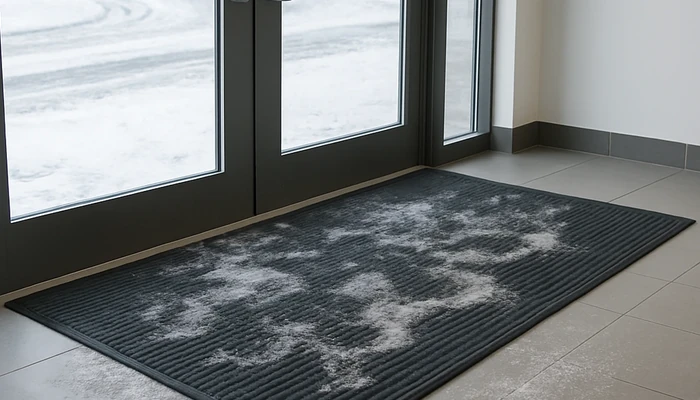
Every winter, Chicago’s roads and sidewalks are coated in rock salt and melting agents. These substances, mixed with dirty slush and foot traffic, enter your building daily. It’s not just about appearances—rock salt is alkaline, corrosive, and can etch, stain, or even structurally damage popular flooring types. When slush melts off boots, it seeps through cracks and into seams, warping wood, clouding tiles, and spreading grime. The entrance becomes a crucial defense zone where prevention, containment, and routine cleaning play decisive roles.
Common Floor Types Impacted by Winter Residue
- Hardwoods: Risk of salt halos, swelling, and finish breakdown.
- Ceramic tiles/grout: White streaks, discoloration, and grime in grout lines.
- LVT/Vinyl: Surface dulling, edge lifting from moisture, salt pitting.
- Carpet: Salt stains, embedded grit, rapid wear.
- Stone: Etching, spalling, permanent discoloration.
Entryway Science: How Salt and Slush Cause Damage
Rock salt and chloride-based deicers chemically interact with moisture to create a damaging alkaline solution. This liquid eats away at finishes, leaves stubborn white residues, and penetrates surfaces to cause long-term harm. In high-traffic entryways, every person tracks in debris that amplifies abrasion—scratching protective coatings and grinding in grit. Without specific preventive steps, even tough commercial floors will show irreversible winter damage.
Key Factors That Accelerate Floor Degradation
- Repeated wet/dry cycles from slush puddles.
- Accumulation of coarse winter grit and sand.
- Failure to neutralize alkaline residues promptly.
- Insufficient entrance matting or mat changes.
Non-Negotiables: Building a Winter Entryway Defense Framework
No single tactic is enough; effective winter floor protection comes from a layered strategy. Let’s break down the framework:
- Exterior Control: Shovel and sweep salt/slush away from main doors daily.
- Mat Systems: Use proper-sized, multi-stage mats (scraper, wiper, absorbent) and keep them clean.
- Clean Entry Zones: Neutralize salt with appropriate solutions and dry floors quickly.
- Routine Schedule: Increase cleaning frequency for entryways—including after each storm episode or peak foot traffic window.
- Monitor: Inspect for damage, product tracking, and mat status throughout the day.
Table: Multi-Stage Winter Entryway Mat Comparison
| Mat Type | Function | Best Placement | Maintenance Tips |
|---|---|---|---|
| Scraper Mat | Removes grit, large debris | Immediately outside doors | Shake/clean daily |
| Wiper Mat | Reduces moisture/salt | Just inside door | Vacuum daily; replace if saturated |
| Absorbent Mat | Final moisture stop | Deeper in entry vestibule | Launder weekly; check for puckering |
Choosing the Right Entryway Mats: Size, Material, and Maintenance
High-quality matting systems drastically reduce winter grime transfer. In Chicago’s climate, choose mats that:
- Cover at least 10-15 feet (3–5 strides) of walking area.
- Include a scraper layer (coarse fibers or rubber blades) outside.
- Transition to a highly absorbent textile inside.
- Resist curling, buckling, and water-logging.
- Have non-slip backing for safety.
Regularly vacuum mats, shake off debris, and launder if machine-washable. Replace mats showing wear or water saturation—once saturated, they spread more than they stop.
Salt-Neutralizing Floor Cleaners: Selecting Formulas That Work in Chicago Winters
Standard floor cleaners often fail to break down winter salt residues. Salt-neutralizing cleaners are pH-balanced to dissolve and lift alkaline films without damaging floors. When selecting a solution, consider:
- Surface Compatibility: Verify the product is safe for wood, tile, or vinyl.
- Non-Residue Formulas: Avoid products that leave sticky or slippery films.
- No-Rinse or Low-Rinse: These save time during frequent cleanings.
Always follow the manufacturer’s instructions for dilution and dwell time. For professional recommendations, organizations like GBAC (Global Biorisk Advisory Council) maintain updated cleaning chemistry resources suitable for tough winter conditions.
Best Practices: Cleaning Schedules for Entryways During Winter
Entryway cleaning isn’t just about daily sweeps. During peak salt and slush months, increase:
- Frequency: Clean mats and floors after significant traffic influxes (morning rush, lunch, shift changes, guest arrivals).
- Spot Checks: Inspect for melting puddles and fresh salt lines throughout the day.
- End-of-Day Deep Clean: Neutralize salt residues and dry all surfaces. Leaving moisture increases damage overnight.
Essential Winter Entryway Cleaning Checklist
- Remove and clean mats (vacuum and shake outside).
- Sweep/scrape exterior steps and landing.
- Spot mop with neutralizer as soon as salt appears.
- Wipe door hardware and thresholds.
- Dry mop to remove moisture before resettlement.
- Restock entry supplies (mats, signage, wet floor cones).
Addressing Special Entryway Surfaces: Wood, Tile, Vinyl, and Concrete
Wood Floors
- Use minimal moisture, blot standing puddles immediately.
- Only use salt-neutralizing cleaners marked as safe for hardwood.
- Reapply finish/protective coatings preseason if possible.
Tile & Grout
- Pre-soak with cleaner to dissolve salt; scrub grout lines if necessary.
- Avoid acid-based cleaners, which can etch tiles.
- Seal grout lines in high-traffic areas before winter.
Vinyl/LVT
- Use soft microfiber mops to avoid scratches.
- Check for edge lifting after frequent exposure.
Concrete
- Neutralize thoroughly; unsealed concrete may need more frequent cleaning.
Staff Training and Entryway Cleaning Roles: Who Does What?
Everyone entering or maintaining a property in winter should know what’s expected. For homes: brief family/guests about entry mat use and boot removal. In offices or facilities:
- Assign specific staff to mat cleaning during open hours.
- Set clear schedules for floor spot checks, especially near entrances.
- Ensure cleaning agents and tools are stocked and accessible.
- Provide quick refresher training on cleaning high-traffic entryways during storms.
Review expert-recommended training practices from Airbnb’s cleaning resources for guidance on teaching proper cleaning protocols to staff or housekeepers.
Odor and Hygiene: Keeping Entryways Fresh Beyond Visual Cleanliness
Wet mats and stagnant slush contribute musty odors and mold risk. To keep entryways healthy and inviting:
- Empty mat pans or tray inserts when full.
- Allow mats to air dry overnight if possible.
- Mist dowel racks or hard surfaces with sanitizing sprays suitable for public areas.
- Ventilate vestibule areas regularly.
For more on the importance of sanitization in high-traffic zones, see Express Clean’s work area sanitization guide.
What to Watch For: Signs Your Winter Floor Protection Isn’t Working
- Persistent white streaks or halos on floors (salt residue remaining after cleaning).
- Entry mats soaked and flattening underfoot (ineffective absorption).
- Visible damage: wood swelling, grout discoloration, or vinyl curling.
- Slippery spots—especially near transitions between mats and unprotected flooring.
- Strong chemical or musty odors.
Troubleshooting these issues quickly limits long-term damage and ensures a safer, more inviting space for guests and staff alike.
Case Studies: Real Winter Entryway Solutions in Chicago Properties
Residential Example
- Switched to a three-mat system for a Lakeview walk-up, reducing visible salt marks by 80%.
- Added daily spot checks for melting slush after school runs.
- Used salt-neutralizing wipes on hardwood entry flooring.
Commercial Example
- River North office adopted a written mat cleaning log—improved mat condition through March.
- Maintenance team adjusted cleaner pH based on monthly product data sheets.
- Property set up a rotating entry mat replacement schedule across three entrances.
When to Call the Pros: Winter Entryway Maintenance Beyond DIY
If you notice buildup, stains that don’t budge, or lingering damage (like warped boards or etched tiles), it’s time to seek professional help. Express Clean offers specialized protocols, equipment, and salt-neutralizing chemistry for thorough seasonal care of residential and commercial entryways.
For high-output properties (restaurants, offices, event spaces, or busy short-term rentals), professional recurring entryway service can extend floor life, reduce slip-and-fall risk, and ensure compliance with hygiene standards. See our commercial cleaning page or office cleaning service for more information on winter maintenance programs.
Integrating Entryway Care with Whole-Building Cleanliness
Entryway floor care is just one piece of year-round cleaning strategy. Align winter entry procedures with common area, event, and specialized space protocols for maximum impact. For more info on all-building cleaning coordination, see Express Clean’s common area cleaning guide. Facility managers should routinely review their entryway approach during the full winter cleaning schedule—especially in properties subject to high turnover, events, or LEED certification requirements.
Entryway Floor Protection All Season: Monthly Maintenance Plan
- Start winter with clean, dry floors—seal, refinish, or coat if needed.
- Install new matting systems and review their position weekly.
- Post clear signage for wiping shoes and using mats (especially in multi-family or retail settings).
- Stock up on salt-neutralizing cleaning solutions and tools for high-touch response.
- Schedule regular audits and maintenance documentation (logbook or checklist for staff).
For details on choosing materials and equipment for complex or regulated facilities, such as medical practices or food service, review our resources on medical cleaning products and food hygiene standards.
FAQ: Salt, Slush, and Entryways—Your Winter Floor Protection Questions Answered
- How often should entryway mats be cleaned or changed in peak winter?
- During snow/ice events or heavy traffic, mats should be cleaned at least once per day and changed out if they become saturated or visibly soiled. In commercial or multi-tenant settings, check mats several times daily.
- What is the best product to remove salt stains from hardwood or tile?
- Choose salt-neutralizing floor cleaners specifically made for your floor type. Avoid vinegar or acidic DIY solutions—these can further damage finishes. pH-neutral, non-rinse formulas work well for most sealed surfaces.
- How can property managers train staff for winter floor care?
- Establish clear entryway cleaning protocols, provide dedicated tools and salt-neutralizers, and encourage real-time reporting of issues. Brief teams before the season with demonstrations, logs, and quick troubleshooting guidelines. Airbnb cleaning resources offer example checklists.
- Are there green or low-toxicity solutions for salt removal?
- Yes, several eco-friendly cleaners neutralize salt residue without harsh fumes or VOCs. Look for Green Seal–certified or biodegradable products (check with trusted local suppliers for Chicago-appropriate brands).
- Does salt damage only occur on visible surfaces?
- No, salt and slush can penetrate seams, grout lines, or under mats—leading to long-term sub-surface damage even after visible stains are removed. Routine thorough cleaning is essential.
- Can professional cleaning reverse salt etching or deep stains on floors?
- Some surface-level damage can be restored by professionals using specialized neutralizers, scrubbers, and refinishing techniques. Deep etching, swelling, or substrate breakdown may be permanent.
- How do I prevent slip-and-fall hazards at entry points?
- Use high-quality mats with non-slip backing, place ‘wet floor’ signage, inspect daily, and clean up all puddles or slush immediately following entry traffic surges.
- Should mats be laundered or just vacuumed?
- Vacuuming and shaking removes loose dirt, but mats should be laundered weekly for hygiene—more frequently during storms or heavy use.
- Is it better to have one long mat or several smaller ones?
- In most entryways, a staged mat system (scraper—wiper—absorbent) works better than one long mat alone. Each layer serves a specific function in debris and moisture control.
Final Thoughts: Building a Winter-Ready Entryway That Truly Delivers
Chicago’s winter is non-negotiable, but floor damage doesn’t have to be. By combining the right matting, salt-neutralizing cleanup, vigilant monitoring, and timely staff action, you create an entryway system that works all season. Maintain a sharp eye for signs of failure and refine your protocols with each year to keep your property safe, inviting, and damage-free—no matter what’s tracked in.
If you need help with complex entryway maintenance, or want a tailored plan for your home, office, or facility, see home cleaning or same-day cleaning service for flexible professional support any time throughout the season.
About Express Clean
Express Clean is Chicago’s trusted provider for recurring house cleaning, deep cleaning, move out cleaning, office cleaning, and specialized facility care. Our rigorously trained staff follow strict checklists, industry best practices, and use professional-grade products to protect your home or business—especially during Chicago’s challenging winters. Express Clean helps households and businesses in Chicago, Illinois and nearby areas keep their spaces clean and healthy, with a focus on safety, transparency, and long-term client relationships. For more, visit Express Clean.
cleaning services chicago, commercial cleaning services Cleaning Chicago, commercial cleaning Cleaning Chicago, commercial cleaning Service In Palos Heights, Glen Ellyn commercial cleaning, commercial cleaning company Aurora, commercial cleaning services Norridge IL, commercial cleaning services Warrenville IL, commercial cleaning services in Bridgeview IL, commercial cleaning service Pilsen