
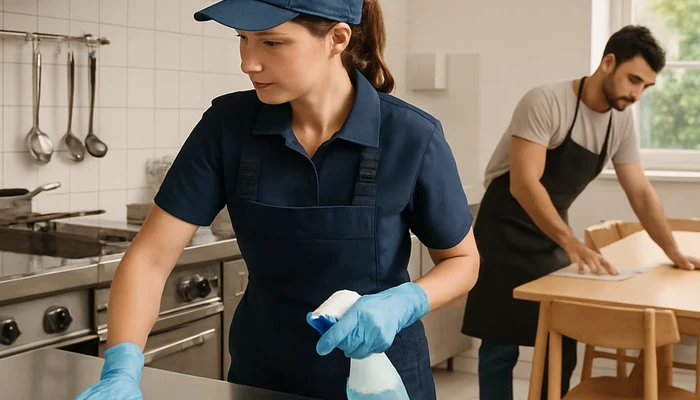
Restaurant Staff Cleaning vs Professional Cleaning: Defining the Boundaries and Setting the Standard
Running a restaurant in Chicago, Illinois, means managing more than menus—you’re tasked with keeping every inch safe, spotless, and ready to impress. But where does routine staff cleaning end, and when should you bring in a professional cleaning company? This comprehensive guide explores Restaurant Staff Cleaning vs Professional Cleaning: Where the Scope Should Be Split. Whether you’re an owner, manager, or property stakeholder, you’ll get a practical, task-by-task breakdown, real examples, decision frameworks, checklists, and tips for compliance and peace of mind. We’ll walk you through the essentials, debunk misunderstandings, and show you how Express Clean and your team can work together to meet health codes and exceed diner expectations.
Understanding Restaurant Cleaning: Roles, Risks, and Regulations
Before diving into responsibilities, clarity about local health regulations and customer perception is crucial. Chicago—and broader Illinois—holds strict expectations for cleanliness in both front and back of house. Knowing where each team’s responsibility starts and ends is key to avoiding health risks or failed inspections.
- Restaurant staff cleaning typically covers daily upkeep and surface sanitation.
- Professional cleaning addresses deep, technical, or regulated services (e.g., vent hood degreasing, floor refinishing) requiring skill, equipment, or certification.
Compliance resources, such as the International Code Council’s safety programs, offer frameworks for restaurant operators to assess their cleaning policies and delegate appropriately.
Key Differences: Staff Cleaning vs Professional Cleaning Explained
While daily staff routines keep visible surfaces clean, professionals deliver technical solutions and address areas beyond regular reach. Here’s how these approaches differ:
- Training: Professional cleaners use detailed checklists and are trained for safety, chemical handling, and environmental risks.
- Equipment: Commercial vacuums, extractors, degreasers, and PPE go beyond standard mop-and-bucket setups.
- Scope: Professionals handle deep soil removal, sanitizing specialized equipment, and high-touch or high-risk zones.
Foundation of Compliance: Meeting Health and Safety Codes in Chicago
Health inspectors in Chicago evaluate cleanliness, sanitation protocols, and documentation. Common triggers for professional cleaning include:
- Persistent odors, mold, or pest evidence
- Visible buildup on vents, grills, or coolers
- Failure of in-house team to maintain consistent sanitation
Your cleaning strategy should align with city requirements and not leave any gray areas. Consulting industry resources such as HVI’s post-construction cleaning guidelines can help identify best practices for kitchens and dining rooms.
Comparison Table: Who Handles Which Restaurant Cleaning Tasks?
| Task/Area | Staff Cleaning | Professional Cleaning |
|---|---|---|
| Dining tables/chairs | ✓ Daily sanitation | – |
| Restroom mirrors/sinks | ✓ Routine wipe-down | – |
| Oven hoods/ventilation | – | ✓ Deep degreasing |
| Non-slip kitchen floors | ✓ Daily mopping | ✓ Deep grease removal |
| Walk-in coolers/freezers | ✓ Daily touch-up | ✓ Scheduled deep cleaning |
| Ceiling tiles | – | ✓ Mold/mildew removal |
| Windows (interior) | ✓ Spot cleaning | ✓ Full streak-free service |
| Waste disposal areas | ✓ Trash removal | ✓ Sanitization |
| Grease traps | – | ✓ Cleaning & maintenance |
Task-by-Task Breakdown: Who Should Clean What?
- Front of House: Staff can handle wiping down menus, tables, and quick spills. Professionals should tackle carpet extraction, deep upholstery cleaning, and entrance mat sanitation.
- Kitchen/Back of House: Staff clean worktops, utensils, basic equipment. Pros should manage ovens, hoods, vent systems, and floor treatments where heavy grease or residue builds up.
- Bathrooms: Daily staff cleaning covers most areas, but tile scrubbing, grout reconditioning, and odor removal are best left to specialists.
Health Code Trigger Points: When to Call in the Professionals
Even diligent staff will encounter areas outside their scope. Call a professional cleaning company in these scenarios:
- Health inspection warnings about invisible or persistent contamination
- Staff complaints about strong odors or buildup
- Unusual stains, damaged surfaces, or recurring pest problems
- Business-wide deep cleaning before critical events or inspections
Decision Framework: Assessing Scope and Liability
Use this step-by-step checklist to know when to assign in-house versus hire out:
- Risk level: Is the area critical to health (food contact, high-traffic, or allergen-prone)?
- Frequency: Has regular staff cleaning improved the condition, or is worsening despite efforts?
- Safety: Does the cleaning require ladders, chemical PPE, or hazardous material disposal?
- Inspection cycle: Are you preparing for an audit or special event?
If you answer yes to 2 or more, engage a pro.
Daily, Weekly, and Deep Cleaning: How to Structure Collaboration
The best-run restaurants use a mix of schedules:
- Daily: Staff: visible wipe-downs, restroom restocks, spill control. Pros: very high-traffic entryways if needed.
- Weekly/Biweekly: Professionals: kitchen hood cleaning, floor scrubbing, large window washing.
- Monthly/Quarterly: Professionals: deep cleaning of storage, fridge coils, A/C vents, tile and grout.
Document scheduling to meet local inspection requirements and retain cleaning reports.
Staff Training: Building a Culture of Clean
For a seamless handoff between staff and pros:
- Educate your team on what is expected daily versus what gets escalated.
- Use checklists posted in staff-only areas (downloadable examples from Three Guidelines For Keeping the Restaurant Clean).
- Schedule walk-throughs after professional cleanings for alignment.
Hygiene Gaps and Risk Mitigation: What Gets Missed by Staff Alone?
Even well-meaning employees can’t address every risk:
- Bacteria and spores in hard-to-reach HVAC or ductwork
- Heavy grease accumulations under equipment (see techniques at Remove Grease From Your Kitchen Floor)
- Stubborn stains on stainless steel appliances (Stainless Steel Kitchen Appliance Cleaning Guide)
Documentation and Reporting: Tracking What Was Cleaned, How, and When
Keep your records tight for liability and consistency:
- Use cleaning logs with time, initials, and task completed columns.
- Store receipts and detailed reports from professional cleaning services, especially after deep cleans.
- Review with staff at each weekly meeting to reinforce accountability.
Case Studies: Real-World Examples from Chicago Restaurants
Case 1: A busy River North restaurant scheduled quarterly vent hood cleaning after repeated buildup failed to respond to staff wipe-downs, passing their next inspection with zero issues.
Case 2: A neighborhood café noticed lingering bathroom odors; after staff efforts didn’t resolve them, a professional tile and grout cleaning eliminated the problem.
Case 3: A small family diner saved costs by training their team for daily duties but brought in professionals when scheduling events, ensuring a spotless impression and regulatory compliance.
Strategies to Avoid Overlap and Ensure Compliance
- Publish clear lists outlining staff duties versus those of cleaning professionals.
- Create escalation triggers (e.g., if buildup persists for 3+ days, call Express Clean).
- Cross-check against inspection findings to constantly refine boundaries.
For further reading, check Tips to Keep Your Restaurant Clean and Attract More Customers.
Menu of Professional Services: Matching Needs to Expertise
Professional cleaning companies provide:
- Scheduled deep cleaning of kitchens, floors, bathrooms, and food-prep areas
- Compliance inspections and remediation
- Specialized cleaning of grease traps, HVAC ducts, and stainless appliances
- Floor polishing, refinishing, and carpet extraction
For recurring, move-out, or specialized facility cleaning, select a partner with a track record of meticulous standards and industry know-how.
Choosing the Right Professional Cleaning Partner
Selecting a cleaning company? Look for:
- Experience in restaurant environments – not all pros understand kitchen/food facility risks.
- Technical equipment and safe, surface-appropriate chemicals.
- Transparent pricing and clear scopes of work.
- References and documentation demonstrating compliance.
Those in Chicago can reach out to schedule restaurant cleaning or discuss custom setups for their space.
FAQs: Restaurant Staff Cleaning vs Professional Cleaning
What’s the legal responsibility for restaurant owners in cleaning?
Owners must ensure all food areas are cleaned to health code standards—failure to assign or verify proper cleaning (by staff or professionals) can result in fines, closures, or liability.
How often should restaurants schedule professional cleaning?
Daily for critical surfaces (by staff), weekly for deep tasks prone to buildup, and quarterly for facilities like hoods, floors, and HVAC. Adjust frequency based on usage and inspection reports.
Can the same cleaning products be used by staff and pros?
No—professionals use stronger, often regulated products, requiring PPE and special handling, especially for degreasing, disinfecting, or hazardous materials.
Are there tasks staff should never attempt?
Yes—staff should avoid work involving ceiling tiles, vent cleaning, chemical stripping, and major pest remediation due to safety and compliance risks.
What documentation should be kept for inspections?
Daily logs by staff, receipts and detailed scope reports from professional cleaning visits, and corrective action records after audits or incidents.
Can professional cleaning be scheduled after hours?
Absolutely—reputable companies like Express Clean offer flexible scheduling to minimize business disruption, including overnight or off-peak cleaning.
How do I escalate cleaning issues from staff to professionals?
Use an escalation checklist—if a problem persists beyond 2–3 cleaning attempts, involves odors, mold, or customer complaints, call your professional partner.
Are there specific standards for kitchen deep cleaning?
Yes—look for reference guides and standards such as those outlined by the International Code Council and cited by local health authorities.
How do staff training programs address cleaning?
Effective onboarding includes daily, weekly, and “call the professional” triggers so staff know exactly when and how to escalate beyond their duties.
Final Thoughts: Setting Clear Boundaries for Spotless Results
Maintaining a clean, safe restaurant means drawing a clear line between what your staff can manage and where you need specialist help. By following the frameworks above, your Chicago establishment can thrive—passing inspections, impressing guests, and supporting staff with clear roles. If you’re ever in doubt, lean on documented best practices or consult with the professionals at Express Clean.
About Express Clean
Express Clean is a dedicated residential and commercial cleaning company helping households and businesses in Chicago, Illinois and surrounding areas keep their spaces clean and healthy. Our specialties include recurring house cleaning, deep cleans, move-out cleaning, office and special facilities cleaning. With trained personnel, transparent processes, and a commitment to quality, Express Clean is the trusted partner for those who want professionalism, flexibility, and attention to detail.
cleaning companies in chicago, restaurant cleaning service Cleaning Company Chicago il, restaurant cleaning Cleaning Company Chicago illinois, restaurant cleaning service Service Lake Bluff IL, restaurant cleaning Wicker Park, Roselle restaurant cleaning service, restaurant cleaning Evanston IL, restaurant cleaning service Park City, restaurant cleaning Bridgeview IL, restaurant cleaning service Aurora IL